

- This event has passed.
“Signs of the Times” – A New Exhibit


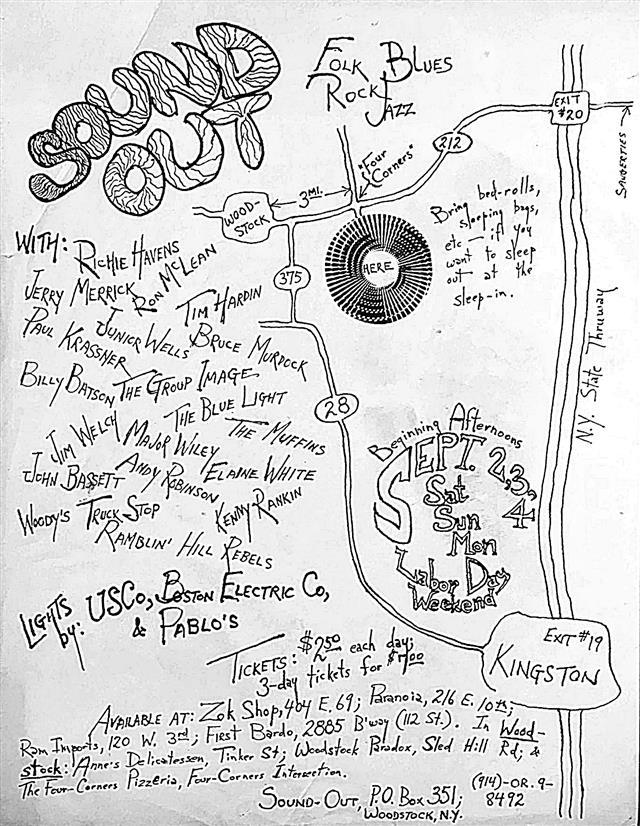
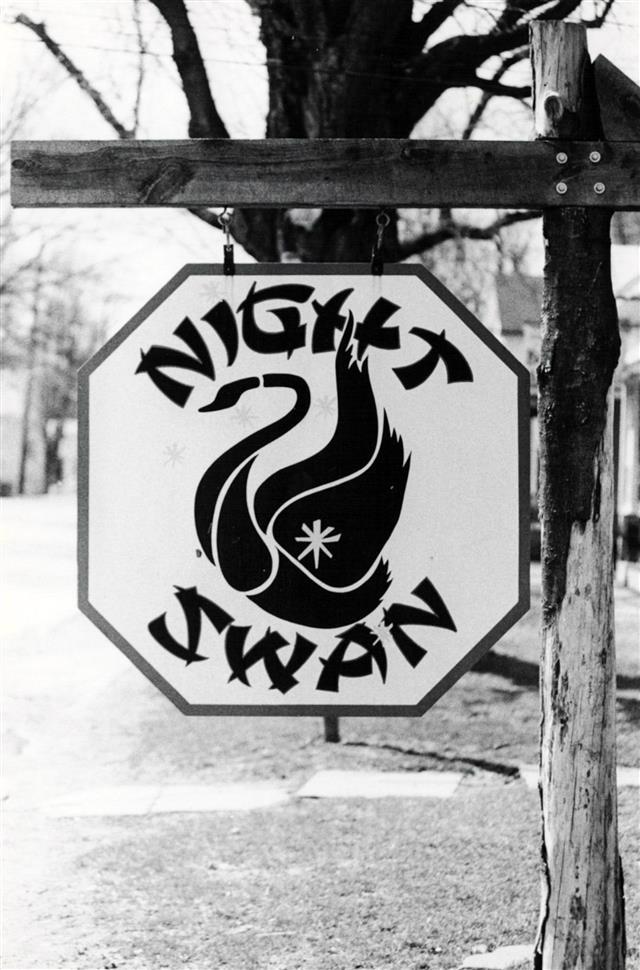
Signs of the Times
Dates: Saturdays & Sundays
May 23 through June 28, 1–5 p.m.
Opening reception Saturday
May 23, 3–5 p.m.
Location: Historical Society of Woodstock
20 Comeau Dr., Woodstock NY 12498
Admission: Free
Featuring signage, posters and selected memorabilia from Woodstock’s collective past, the exhibit, through the use of signage, reflects on various chapters in Woodstock’s story. As artifacts of an earlier time, signage can offer a record of a town’s evolution over the years. They reflect how we once lived, the changing services indicative of a certain period, and the varied cultural and social changes we encountered over time. Even their colors, lettering and design can offer insight into a specific era.
Many of the signs in this exhibit, for example, present the types of businesses that once dotted Woodstock’s streets. The changing signs and their styles on display can also point to the decline of one era and the rise of something new. Some signs also remain iconic in Woodstock lore—such as the S.S. Seahorse or Joyous Lake signs—reminding us of where we once gathered and the collective experiences we once shared.
Signs, such as protest signs, posted notices on telephone poles, or even campaign buttons, also mark the changing political environment within a town. They too can reflect changes in a town’s direction, issues of importance at a certain time, and even our community values.
While we may not think of the historical significance of signs in our times, they offer a visual record not only of our lives but the lives of those who have come before. In many respects, they serve as a time capsule tracing where we have been and where we might be heading.
(Note: Due to limited parking, if able, please park in the Lower Comeau parking lot and take the path at the end of the lot to the Historical Society. Accessible parking is available at the museum.)